Who We Are
About ACWICT
ACWICT@25
Team
Areas of Work
Impact
Publications
Resources
Platforms
Videos
Newsroom
Blog
Galleries
Courses
Contact Us
Partner with Us
Support a Girl
Newsroom
Insights from our experts & news from the industry
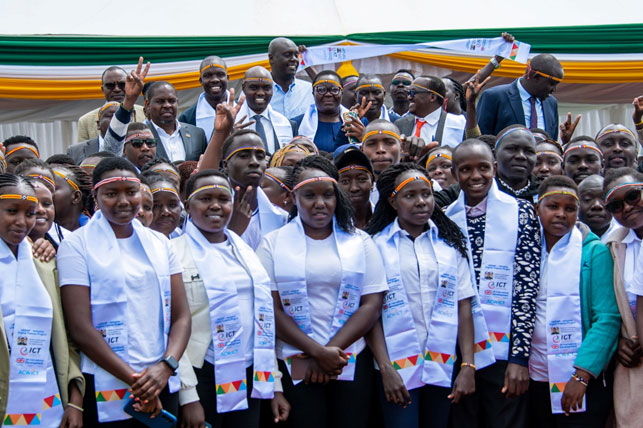
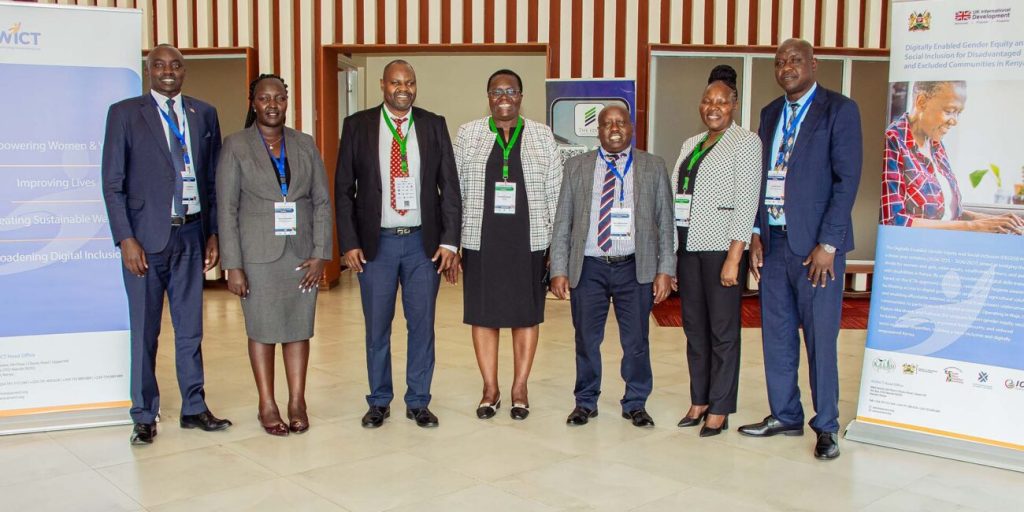
Elgeyo Marakwet Youth Graduate Into Digital Economy Through UKDAP–IDF Programme
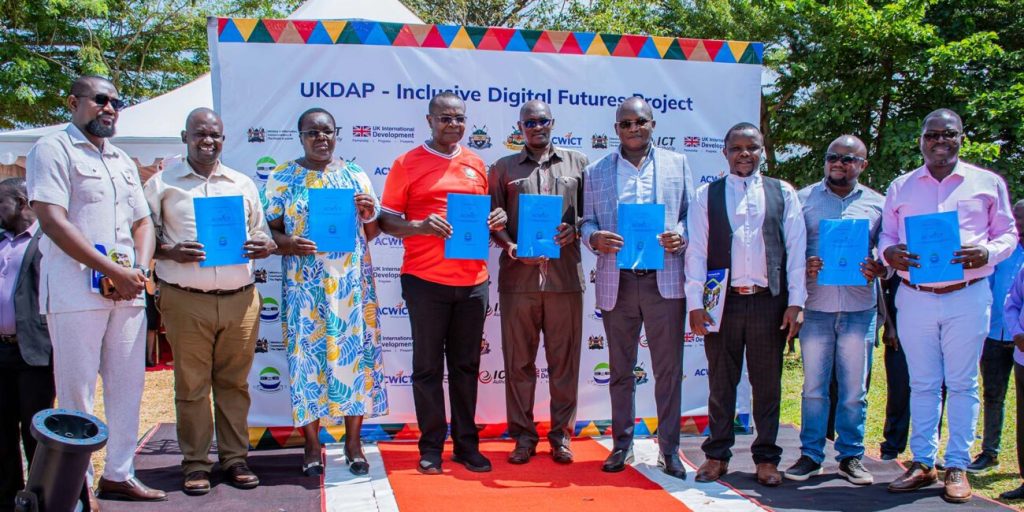
UKDAP – Inclusive Digital Futures Project Graduation Elgeyo Marakwet County
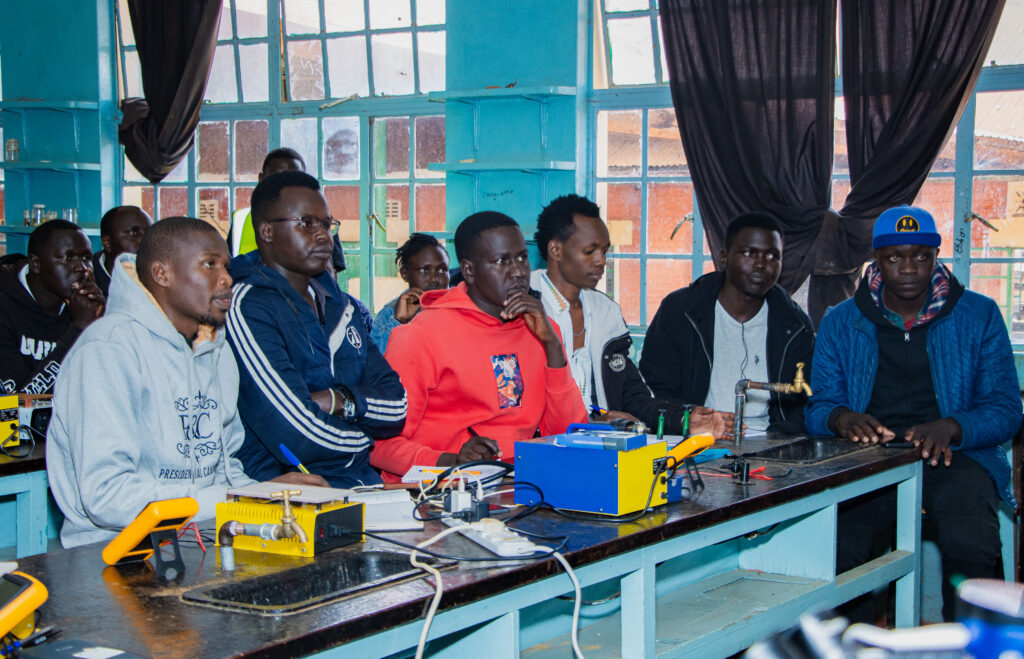
IDF – Elgeyo Marakwet Training
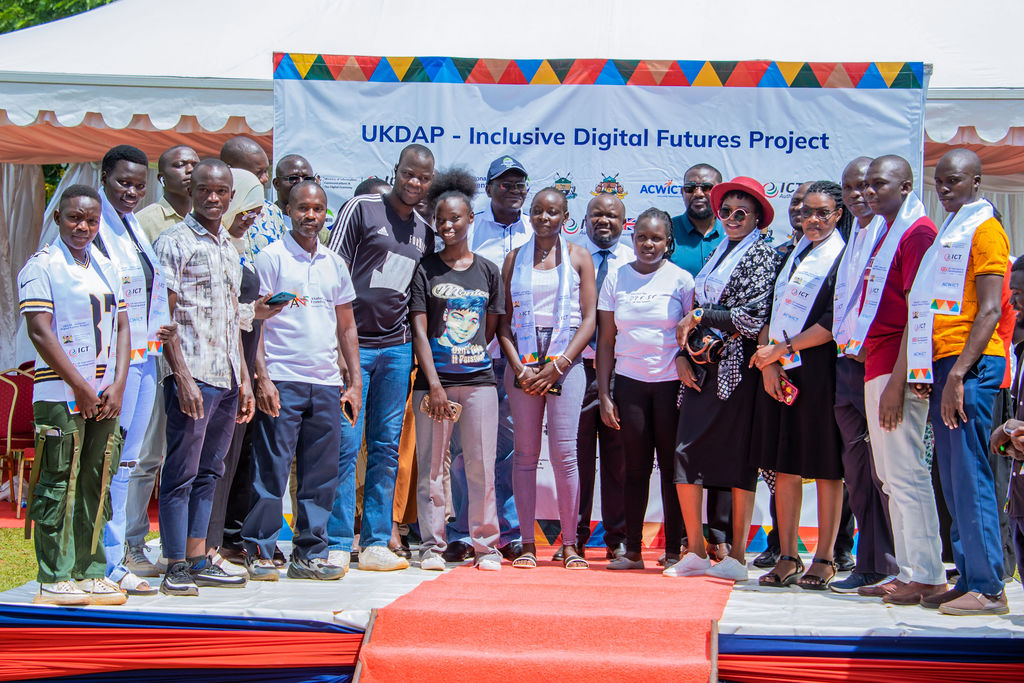
UKDAP – Inclusive Digital Futures Project Graduation Busia County
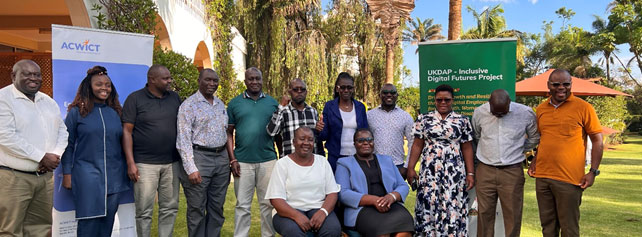
From Training to Transformation: Busia County Government Advances Kenya’s Digital Future Through Strategic Partnership
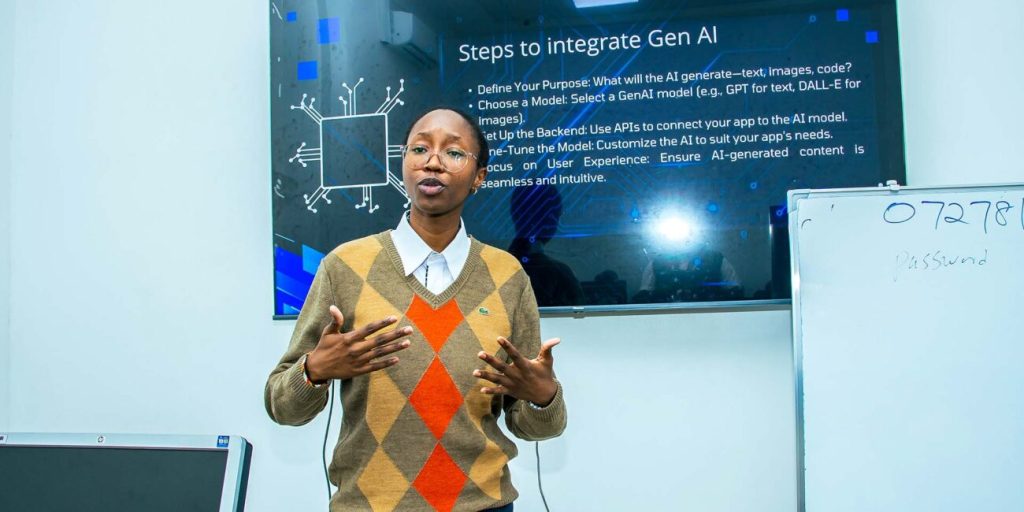
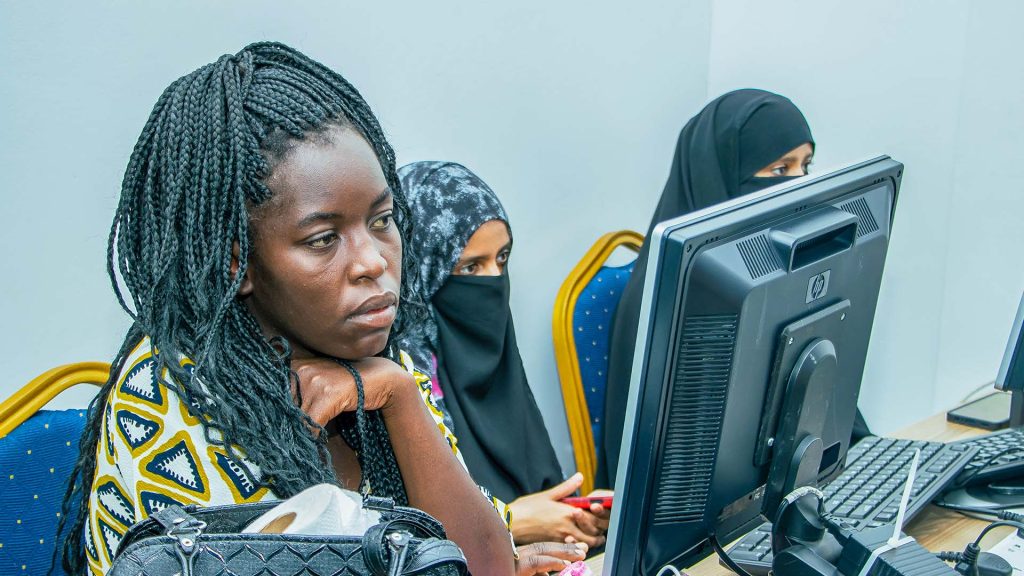
Accelerating Youth Opportunities through AI Skills Development
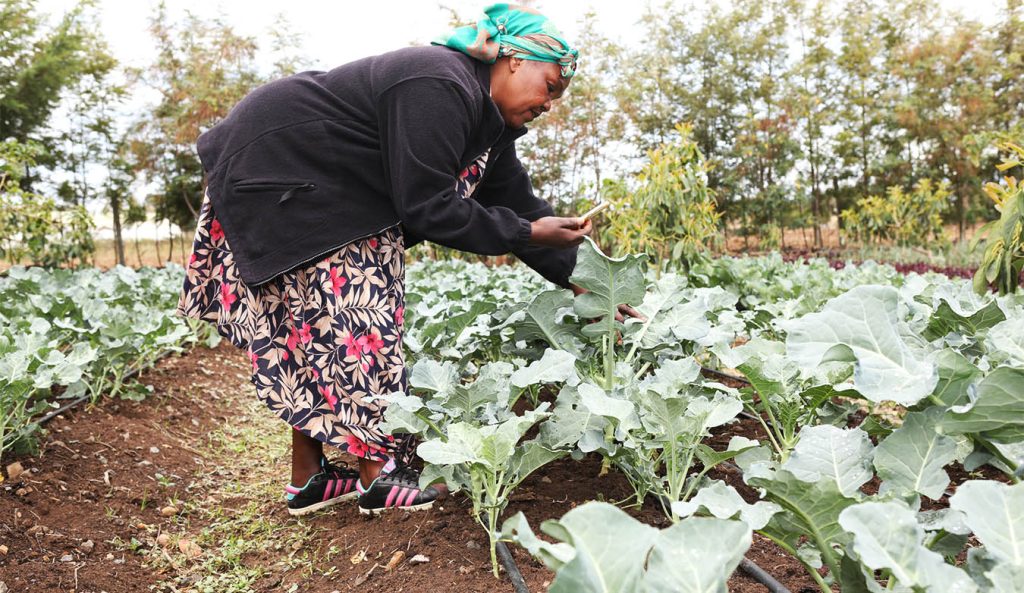
Chepkum Farmers Go Digital: How DEGESI Opened Formal Market Pathways Through Technology
From Risk to Resilience: How the UKDAP DEGESI project turned the tide for Wajir County’s youth population
Operationalising ICT Hubs through Collaboration: Lessons from Samich ICT Centre
Closing the Digital Divide: How Community Digital Champions are Helping Rural Communities Step into the Digital Economy in Elgeyo Marakwet County
Navigating the Digital Frontier: How the COVID-19 Crisis Sparked a Revolution for Kenyan Women
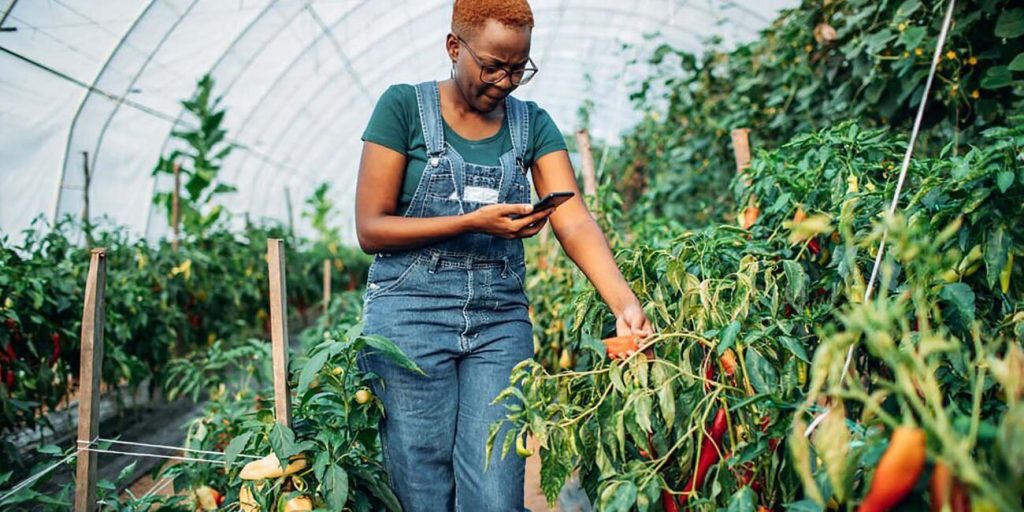
Revolutionizing Agriculture: How Digital Content is Empowering Smallholder Farmers in Kenya
Unlocking the Power of Digital Agriculture: The Role of Tailored Digital Content and Ecosystem Engagement
Graduation & Award Of Certificates Ceremony
Inaugural IT Speaks Workshop Series with Kibabii University
#WeSpeakCode Program
Skills Training Curriculum Development
ACWICT Achieves Equivalency Determination Certification
Digital Inclusion Takes Center Stage: Four Kenyan Counties Join the DEGESI Movement.
Busia Governor Leads Launch of UK-Funded Digital Jobs Project for Youth, Women and Persons with Disabilities
Empowering Farmers Through Digital Innovation: The Impact of the Maudhui Digiti Project in Laikipia County
Bridging the Digital Divide: How the Maudhui Digiti Project is Empowering Nairobi’s Underserved Communities
Digitally Empowering Healthcare Workers in Laikipia County: The Maudhui Digiti Project’s Impact
Intel She Will Connect Program
1
2
»
Contact Us
Partner With Us
Work at ACWICT
English
English
Deutsch
Español
Français
Italiano
Polski
Svenska
Suomi
Português
Română
Slovenščina
Slovenčina
Nederlands
Dansk
Ελληνικά
Čeština
Magyar
Lietuvių
Latviešu
Eesti
Hrvatski
Gaeilge
Български
Norsk
Türkçe
Bahasa Indonesia
Português (Brasil)
日本語
한국어
简体中文
العربية
Русский
हिन्दी
Українська
Srpski
English (UK)
ایران
ישראל
Македонија
ประเทศไทย
Việt Nam
Accessibility Adjustments
Powered by
OneTap
Hide Toolbar
Back
How long do you want to hide the toolbar?
Hide Toolbar Duration
Only for this session
24 hours
A Week
Not Now
Hide Toolbar
Select your accessibility profile
Vision Impaired Mode
Enhances website's visuals
Seizure Safe Profile
Clear flashes & reduces color
ADHD Friendly Mode
Focused browsing, distraction-free
Blindness Mode
Reduces distractions, improves focus
Epilepsy Safe Mode
Dims colors and stops blinking
Content Modules
Font Size
+
Default
-
Readable Font
Line Height
+
Default
-
Cursor
Letter Spacing
Align Text
Font Weight
Color Modules
Light Contrast
High Contrast
Monochrome
Orientation Modules
Reading Line
Reading Mask
Hide Images
Highlight Content
Stop Animations
Highlight Links
Reset Settings